Waterproofing Basements in Older Homes
People searching for waterproofing basements in older homes aim to prevent leaks and moisture damage, and local contractors can provide expert solutions to protect and preserve their basements.
Homeowners with older properties often face unique challenges when it comes to maintaining a dry and stable basement. If your older home has experienced signs of moisture, water intrusion, or uneven foundation conditions, exploring waterproofing options is a practical step toward protecting your investment. Understanding the importance of effective basement waterproofing can help prevent long-term issues like mold growth, structural damage, and reduced property value. Local contractors specializing in waterproofing basements in older homes are equipped to assess specific needs and recommend solutions tailored to the age and construction of your property.
Continuing to read can provide insight into the benefits of professional waterproofing services and how they address common concerns for older homes. Whether dealing with historical foundation features or outdated drainage systems, connecting with experienced service providers can make a significant difference. These local experts understand the unique requirements of older properties and can help ensure your basement remains dry, stable, and protected for years to come.
- Foundation assessment - homeowners noticing signs of moisture or cracks in older basement foundations can rely on local contractors to evaluate the condition and recommend appropriate waterproofing solutions.
- Interior waterproofing - when interior leaks or dampness are present, service providers often install drainage systems and sealants to keep basements dry and prevent further damage.
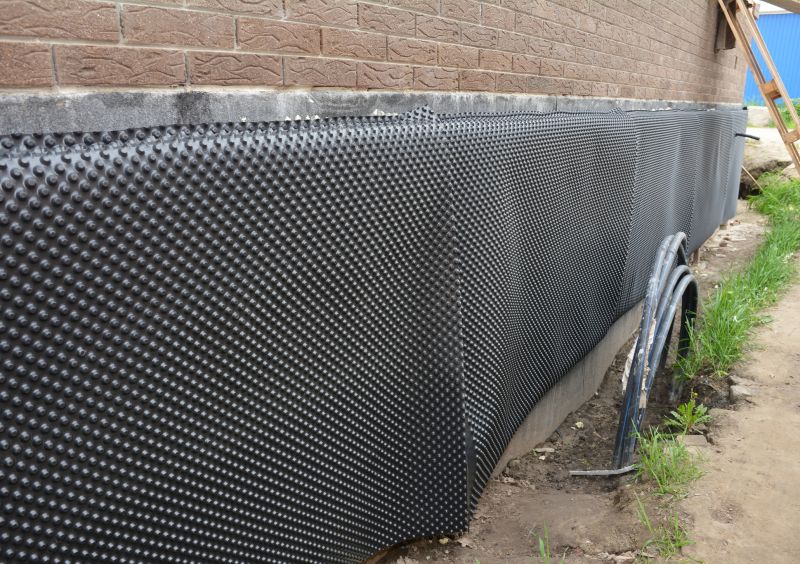
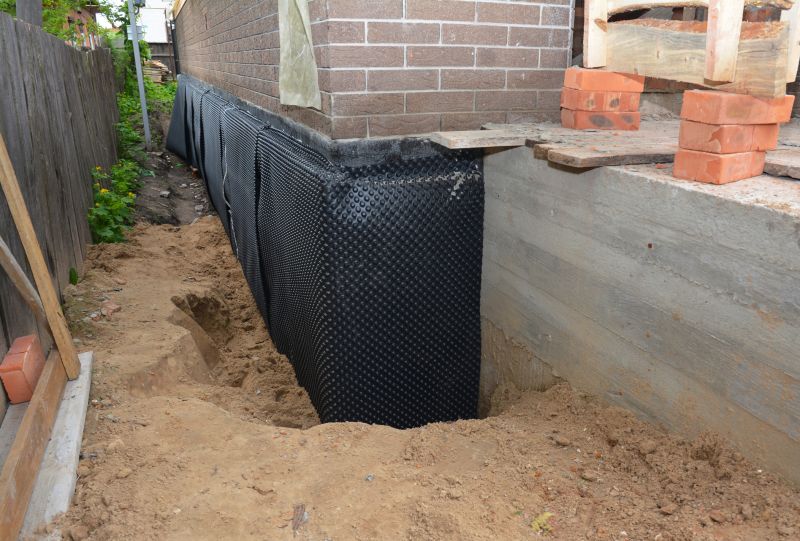
- Exterior waterproofing - for older homes with persistent water intrusion, local pros may excavate and apply protective barriers to the exterior foundation walls to improve water resistance.
- Drainage system installation - if poor drainage causes basement moisture issues, contractors can implement sump pumps and drainage improvements to redirect water away from the foundation.
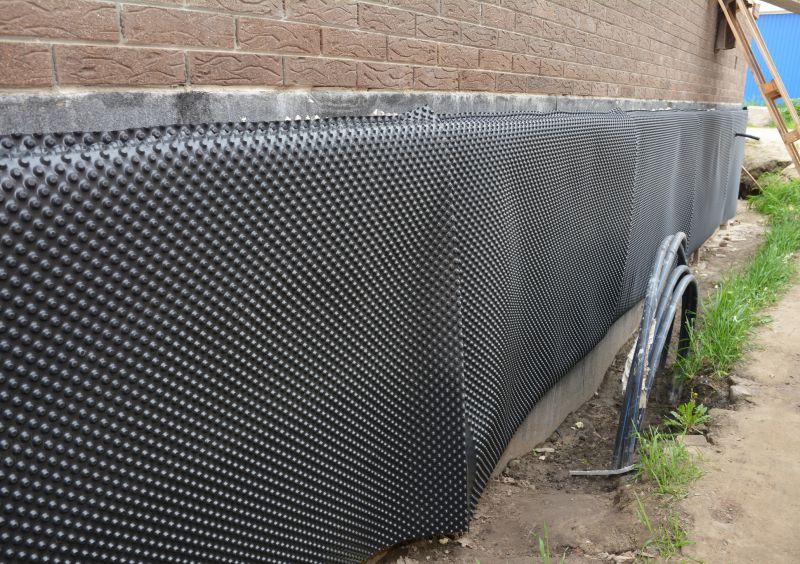
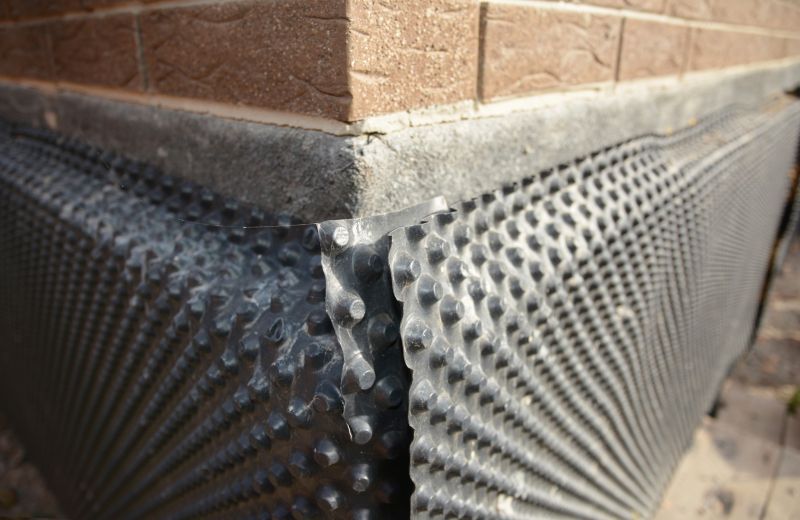
- Waterproofing membrane application - in cases where existing walls are vulnerable, service providers often apply waterproof membranes to enhance the basement's resistance to water infiltration.
When homeowners search for information on waterproofing basements in older homes, they typically want to understand how to protect their property from moisture-related issues. Many older homes, especially those built before modern construction standards, may have outdated or insufficient waterproofing systems that can lead to water seepage, dampness, or even flooding. These searches often stem from experiences with basement leaks, mold growth, or a desire to prevent future problems caused by groundwater or heavy rainfall. People are usually seeking practical solutions that can address these issues effectively, whether through repairs, upgrades, or comprehensive waterproofing strategies.
The problems associated with waterproofing basements in older homes are often linked to structural vulnerabilities and aging materials. Common issues include cracked foundations, deteriorated waterproofing membranes, or inadequate drainage systems that allow water to infiltrate the basement. Homeowners might also be planning renovations that involve finishing or remodeling the basement, making waterproofing an essential step to ensure a dry, usable space. In some cases, the goal is to mitigate ongoing moisture problems or to prepare the home for resale by improving its overall durability. Local contractors who specialize in basement waterproofing can evaluate these specific issues and recommend tailored solutions that fit the unique needs of older properties.
Older homes typically come up in these searches because they often have basements that were built with different materials and construction methods than modern homes. These properties might feature stone or brick foundations, original drainage systems, or minimal waterproofing barriers that have deteriorated over time. Many of these homes are located in areas with high water tables or frequent heavy rains, which can exacerbate moisture problems. Homeowners may also be interested in waterproofing basements as part of a larger renovation project, aiming to preserve the character of the home while upgrading its foundation and drainage systems. Local service providers experienced in working with older properties can assess these unique characteristics and recommend effective waterproofing methods suited to the age and construction style of the home.
Understanding how waterproofing basements in older homes connects to real projects involves recognizing the importance of tailored solutions and expert installation. Since these homes often present specific challenges, such as fragile foundations or outdated materials, it’s crucial to work with experienced local contractors who know how to address these issues comprehensively. Waterproofing projects can include installing new membranes, improving drainage systems, sealing cracks, or applying surface coatings-all aimed at keeping the basement dry and structurally sound. Homeowners benefit from consulting with local pros who can provide insights into the best approaches for their particular property, ensuring that the waterproofing work is durable and effective. Connecting with knowledgeable service providers can help turn a vulnerable basement into a stable, moisture-resistant space that supports the home’s long-term value.
Foundation Repair - foundation repair projects often involve assessing and stabilizing older structures, which shares skills with waterproofing basements in older homes to prevent water intrusion and structural issues.
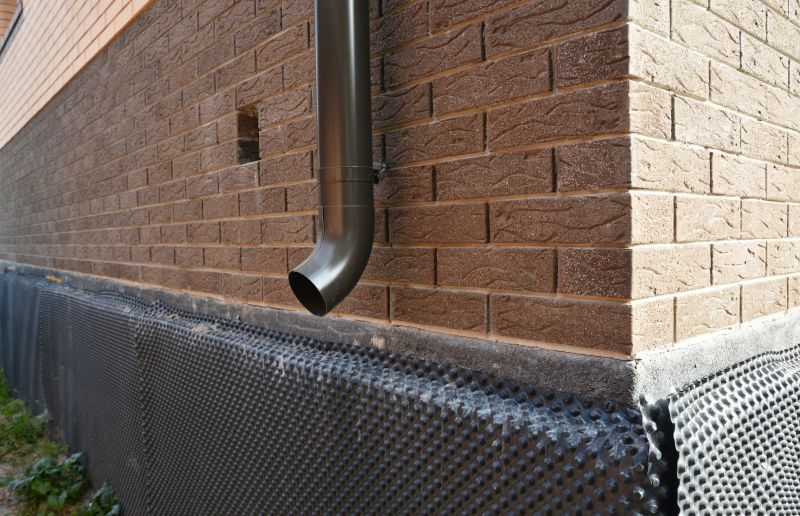
Drainage System Installation - installing proper drainage around a property helps manage water flow away from the foundation, complementing basement waterproofing efforts in older homes.
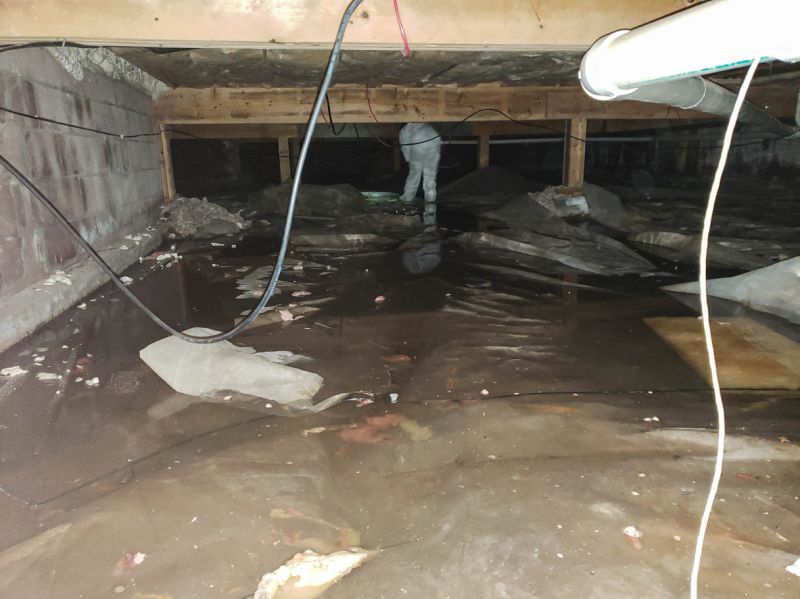
Crawl Space Waterproofing - waterproofing crawl spaces involves similar techniques and planning as basement waterproofing, especially in older homes with multiple levels of below-grade space.
Interior Wall Sealing - sealing interior basement walls to prevent moisture seepage is a key component of waterproofing basements in older homes and requires similar skills in moisture control.
Masonry Repair - repairing and sealing older masonry foundations helps prevent water entry, aligning with waterproofing strategies for older homes’ basements.
Waterproofing Membrane Application - applying waterproof membranes on foundation walls is a common method used in basement waterproofing projects for older homes, requiring specialized application skills.
When evaluating service providers for waterproofing basements in older homes, it is important to consider their experience with similar projects. Older homes often present unique challenges, such as outdated foundation materials or existing structural issues, which can impact the effectiveness of waterproofing solutions. Contractors with a proven track record of handling basement waterproofing in homes of comparable age and construction are more likely to understand these nuances and recommend appropriate strategies. Asking for examples of past work or references related to similar projects can provide insight into their familiarity with the specific requirements of older properties.
Clear, written expectations are essential when selecting a basement waterproofing service provider. A reputable contractor should be able to provide detailed descriptions of the proposed work, including the methods and materials to be used, as well as the scope of the project. This clarity helps ensure that both parties have aligned expectations and reduces the chances of misunderstandings or surprises during the process. Homeowners should seek service providers who communicate their plans openly and can articulate how they will address the specific waterproofing needs of an older basement.
Good communication and reputable references are key indicators of a reliable service provider. Effective communication ensures that homeowners can ask questions, express concerns, and receive timely updates throughout the project. Reputable contractors often have references or testimonials from previous clients who can speak to their professionalism, quality of work, and ability to meet deadlines. Gathering feedback from past customers can help assess whether a local contractor maintains transparent communication and consistently delivers satisfactory results, making it easier to choose a partner capable of effectively waterproofing basements in older homes.
Property owners often search for waterproofing basements in older homes when they are planning practical projects around their homes and businesses. Local pros provide Basement Waterproofing services for everyday jobs and straightforward project options.
Homeowners with older properties often find themselves researching waterproofing basements to prevent issues like leaks, dampness, or mold growth. Common situations include noticing water stains on basement walls after heavy rains or experiencing a musty smell that suggests moisture problems. These everyday concerns drive property owners to seek out local contractors who specialize in basement waterproofing services, aiming to protect their investment and maintain a healthier living environment.
Many property owners turn to local service providers for solutions that address the unique challenges of older homes. They might consider basement waterproofing when preparing to sell, renovating, or simply looking to improve the durability of their space. Connecting with experienced local contractors can help ensure that appropriate methods are used to keep basements dry and structurally sound, making it easier to address moisture issues effectively and confidently.
What are common waterproofing methods for older home basements? Local contractors often use techniques such as interior sealants, exterior drainage improvements, and sump pump installations to address water intrusion in older basement structures.
Can waterproofing solutions be customized for older homes? Yes, experienced service providers assess the specific conditions of older basements and recommend tailored waterproofing strategies that suit the existing foundation and environment.
How do I know if my older basement needs waterproofing? Signs like persistent dampness, mold growth, efflorescence, or water stains typically indicate the need for waterproofing services, which local contractors can evaluate during an inspection.
Are there specific challenges when waterproofing basements in older homes? Older homes may have foundation cracks, outdated drainage systems, or deteriorated materials that require specialized approaches, which local pros are equipped to handle.
What types of waterproofing are suitable for older basement structures? A variety of options, including interior waterproofing membranes, exterior excavation, and drainage systems, can be effective depending on the home's condition, with local service providers able to recommend appropriate solutions.
Assessing basement leaks - property owners can identify common sources of water intrusion in older homes and discuss these findings with local contractors to plan effective waterproofing solutions.
Choosing appropriate waterproofing methods - property owners might explore options like interior sealants or exterior barriers with local service providers to determine what best suits their home's needs.
Preparing the space for waterproofing - homeowners can clear the basement and remove obstructions, ensuring local contractors have access to perform thorough waterproofing work efficiently.
Maintaining drainage systems - property owners can regularly check gutters and downspouts, and consult local pros about installing or upgrading sump pumps to prevent basement water issues.
If you are thinking about waterproofing basements in older homes for a property, this guide is meant to help you understand this topic, the typical project types, and how different options might fit your plans.
When you are ready, you can use the quote form on this page to share a few details about your project. From there, local pros can review the basics and follow up with options that match what you have in mind.